• Nationwide Courses | 07834 232153 | Kevin@QuantumFirstAid.co.uk

Monthly Archives :

December 2025

Some Of the Most Common Christmas Accidents 150 150 Quantum First Aid

Some Of the Most Common Christmas Accidents

This article highlights some of the most common Christmas accidents which can easily lead to a medical emergency. At Christmas the Emergency Services are under more strain than ever, even more so with the current flu crisis plaquing our health service, you really don’t want to end up in A&E! Be aware of the possible risks and know how to give first aid following an accident or illness.

At Christmas, not only are houses often full, but the emergency services and hospitals may not be as responsive as usual. Chemists are shut and people need to be self-sufficientChristmas can be a magical time of year.

However, it is also a time when there are more accidents and mishaps than usual, for both humans and pets. According to the RoSPA more than 80,000 people go to A&E each year for Christmas-related accidents and over 6,000 of these need to be admitted. Decorations, fires, new toys, visitors, cooking and houses packed with over-excited children and extra animals present a lot of potential hazards. Factor in the additional seasonal stress and alcohol and you can start to understand how people fall foul of the festive season. We have put together an essential guide of common accidents that occur so you can avoid becoming a Christmas statistic.

Allergies

Christmas is a time when people with food allergies need to take extra special care. The ingredient list of pre-packed food should list all major allergens, but be cautious with catered food.

Chocolate treats for children, such as those you hang on the Christmas tree, may end up separated from their packaging. Some of these could contain nuts or possible nut residues. Even if there is no nut warning, there may be a risk of cross-contamination.

Alcohol

Alcohol is very capable of reducing awareness and your inhibitions. Accidents are more likely to happen in the kitchen and the home if you have had just that one to many. Although it is not easy the cook should refrain from drinking alcohol until the food is on the table.

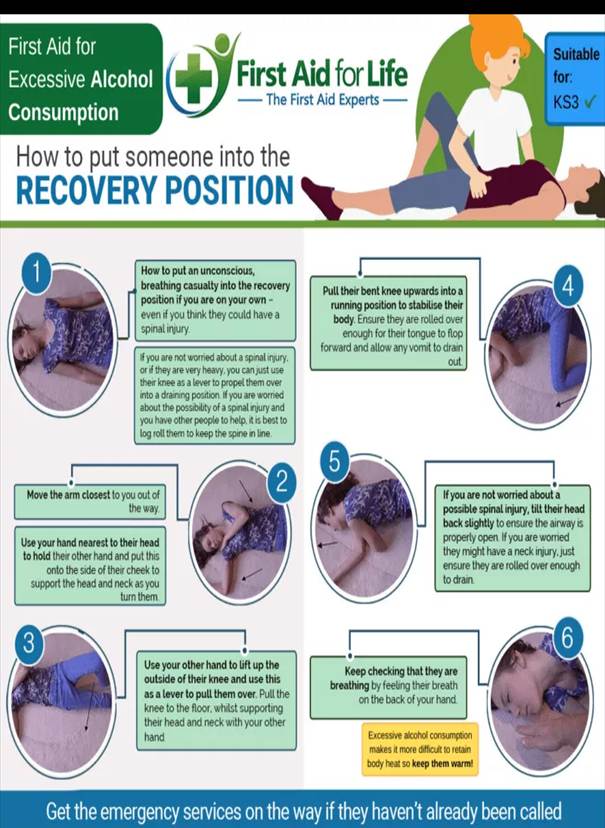
If someone has collapsed having consumed to much alcohol check they are breathing and then roll them into the recovery position to keep their airway clear. Someone should stay with them at all times; this is particularly important if they are vomiting.

At the end of the day make sure any leftover cans of alcohol is disposed of and emptied out of glasses as children could drink the remains and are often the first down the morning after a party.

Never drink and drive.

Choking

Choking child

Glass and fragile decorations should be out of reach of toddlers and pets. Novelty decorations, such as stuffed Santas, reindeer and snowmen that may look like toys do not have to comply with toy safety standards and may be dangerous. Keep them out of the reach of children and make sure you know what to do if your child does start choking.

Small parts from toys or gadgets, novelties from crackers or even burst balloons can easily become a choking hazard for children.

Decorations

RoSPA revealed more than 1,000 people each year are hurt while decorating their Christmas tree, usually whilst fixing decorations to the highest branches.

Another survey showed 2.6million people have fallen while using unstable chairs or stools whilst putting up decorations. Use a ladder.

And 1 in 50 people have fallen from the loft when getting decorations down. Don’t do this job alone, have someone to hand the decorations down to.

Glass decorations should be placed out of the reach of toddlers and pets.  Children and pets can be hurt if they bite into glass baubles Fairy Lights

A staggering 350 people a year are injured by Christmas tree lights, including falls while they are being put up, children swallowing the bulbs, and electric shocks and burns.

Test your lights and the wiring before you put them up. If necessary, buy new ones that meet higher safety standards, look for BS Kitemark. One in 40 people have suffered an electrical shock due to badly wired Christmas lights.

Don’t overload sockets as it can lead to overheating and electrical fires.

Switch off any electrical decorations at night and make sure your guests also know how to do so.

Get your chimney swept if you are planning on having a festive open fire.

Avoid cables being a tripping hazard.

RoSPA reports that between 1997-2010, 26 people died as a result of watering their Christmas tree with the lights on. Unplug them first.

Festive flames and fires

Over the Christmas period there is a huge increase in house fires. People are 50% more likely to die in a house fire than at any other time of the year.

Keep any Christmas cards, paper decorations and the Christmas tree away from heat sources such as candles, fires or heaters, as they can catch alight and burn easily

Check that your smoke alarms are working, including your Carbon Monoxide detector.

Tea lights should be an appropriate container to prevent burning through baths and televisions. Blow out candles before heading to bed.

Get your chimney swept if you are planning on having a festive open fire.

600,000 people have burnt themselves whilst roasting chestnuts on an open fire.

Indigestion and food poisoning

Food poisoning is always a worry at Christmas. There are an estimated one million cases of food poisoning every year and this doesn’t rest for the festive season. So much so that the NHS has guidelines to cooking turkey safely.

If you are cooking turkey, make sure you read the instructions carefully and never risk-taking short cuts as it takes hours to cook the bird properly.

Undercooked turkey can cause salmonella poisoning, which can be life-threatening, especially for those who are very young, old or frail.

Kitchen

Hot food, boiling water and sharp knives can make the kitchen particularly hazardous.

According to recent survey: 49% of respondents have suffered an accident whilst preparing Christmas food, with 1 in 10 having spilled hot fat on themselves and 1 in 5 cutting themselves whilst preparing vegetables.

Try to keep everyone other than the cook, especially pets and children, out of the kitchen. One in ten children’s accidents happen in the kitchen.

Refrain from drinking alcohol until the cooking is finished and wipe up any spills as soon as they happen so people do not slip.

Stairs and Snow

fallen in snow

Make sure you are careful when going on walks over Christmas. The ground can be very slippy and no one wants to spend Christmas in hospital after a bad fall.

Alcohol, tiredness and excited children make the stairs an accident hotspot during Christmas. If you have guests staying who may be unfamiliar with the layout of the house and could fall down the stairs whilst going to the toilet at night, so leave a light on. Make sure stairs are free from clutter. Children will be excitedly rushing around to find visitors and playing with their new toys, so remove any obstacles that could cause a trip or fall down stairs

Plants

While Holly and mistletoe might seem festive and romantic they are highly poisonous. Their berries contain toxic proteins that slow the heart rate and can cause hallucinations.

In addition, the orange berries of the Christmas Cherry can cause stomach pains, while the Christmas Rose can result in violent diarrhoea.

Check with your florist or garden centre whether the plants you’re buying are toxic. If they are choose something non-toxic or keep them out of the reach of children.

Poisoning and swallowing of corrosive batteries

Button batteries are found in many children’s toys and books. But while batteries in children’s products are covered by safety regulations and are required to have a screwed-down cover, many Christmas novelty items such as flashing Santa hats or musical cards are not. Be aware these may pose a risk to children.

Button batteries release corrosive acid that burns the inside of intestines, causing major

internal bleeding. Ensure all batteries are safely secured inside toys, remote controls, cards and gadgets. If a battery is missing and you think it possible a child has swallowed it, take them to A&E immediately for an x-ray as lithium batteries can kill within hours.

Medicines are the most common cause of accidental poisoning in children, with everyday painkillers a frequent culprit. The contents of Granny’s handbag could prove lethal. Remind visitors to keep all medication secure and out of sight and reach, not left in an open handbag or counted out on a bedside table.

Please also be very careful about strong magnets. Many toys contain extremely potent magnets that can twist a child’s gut if they are swallowed. If anyone has swallowed more than one magnet, they should urgently be taken to A&E for a further examination.

Toys

Be aware that when buying from market stalls or pop-up shops, toys may be illegally imported and may not meet strict safety guidelines.

Always buy age-appropriate toys for your little ones. Make sure there are no small parts that could be a choking hazard.

When opening presents ensure you have necessary scissors and screwdrivers. Many injuries occur on Christmas day with people battling to open difficult packaging as quickly as possible, using makeshift tools.

About us

Quantum First Aid Training provide first aid training tailored to your needs. Please visit our site and learn more about our practical and varied courses. It is vital to keep your skills current and refreshed. We are currently providing essential training for individuals and groups across the UK.

You can attend a fully regulated Practical First Aid course to understand what to do in a medical emergency. Please visit www.quantumfirstaid.co.uk or call 07834232153 for more information about our courses.

Quantum First Aid Training, is a fully regulated first aid training provider. Our trainers are highly experienced medical, health and emergency services professionals who will tailor the training to your needs. Courses for groups or individuals can be arranged at our venue or yours.

Quantum First Aid Training provides this information for guidance and it is not in any way a substitute for medical advice. We are not responsible or liable for any diagnosis made, or actions taken on this information.

FLU – The Ultimate Survival Guide 150 150 Quantum First Aid

FLU – The Ultimate Survival Guide

As flu season arrives, many people are understandably worried about getting ill. Statistics from February this year show the increased strain on the NHS with 3,372 patients a day with flu. But what is the difference between the various strains of flu, how can we prevent it and how should we respond if we fall ill with it?

Flu is seasonal and each year a new strain will begin to spread.

Flu is a highly infectious disease, and symptoms usually appear very quickly. While colds can make you feel miserable, they are considerably less serious. They usually start gradually with a runny nose and sore throat. Flu, however, is likely to flatten you completely, causing fever, chills, headache, aches and pains in the joints and muscles, and extreme tiredness.

Healthy individuals usually recover within two to seven days, but it can be very serious, in some cases leading to hospitalisation, permanent disability and even fatality!

What causes flu?

Influenza viruses affecting your respiratory system cause flu. Unlike bacterial infections, you cannot treat viruses with antibiotics. In some cases, however, you may receive a prescription for antibiotics if there are additional opportunist bacteria that cause complications and need treating.

How do you catch flu and can I avoid it?

Flu virus is spread liberally in tiny droplets of saliva released when someone with the virus coughs or sneezes.

These droplets are then inhaled by other people, or they are infected by touching surfaces where the droplets have landed. The virus can survive on surfaces for many hours.

To prevent the spread of the virus ensure that you cover your mouth and nose when you cough or sneeze.  Avoid touching your face in a public environment such as a bus or train, use hand gels while out and wash your hands regularly.

However, the best way to protect yourself against flu is by having a flu vaccination before flu season commences.

One of the ways to prevent getting the flu is the flu jab.

Each year teams of experts try and predict the most likely viruses to affect us and match them into the vaccine as closely as possible.

However, flu is unpredictable and there is always a risk of a change in the virus. A 2022 study showed that flu vaccination reduced children’s risk of severe life-threatening influenza by 75%.

Only the child’s nasal flu vaccine includes cover for Japanese flu – and this is okay, as it is predominantly children that get this strain.

Immunity takes a couple of weeks to build up, so it is important to get the vaccine before the beginning of flu season. While it is not a live vaccine and should not make you feel ill, some people have a low-grade fever and aching arm for a couple of days after the vaccination

Who should get the flu vaccine?

If someone has additional medical conditions, is pregnant, is the sole carer for someone dependent upon them, or a care worker – they should see if they are eligible for the free jab. Flu is serious and will put you out of action if you get it as well.

Anyone can pay for it and can just make an appointment with their pharmacist.

However, you are entitled to a free flu vaccine if you are pregnant or have one of the following long-term conditions:

a heart problem

a chest complaint or breathing difficulties, including bronchitis, emphysema or severe asthma

kidney disease

low immunity due to disease or treatment (such as steroid medication or cancer treatment)

liver disease

had a stroke or a transient ischaemic attack (TIA)

diabetes

a neurological condition, e.g. multiple sclerosis (MS), cerebral palsy or learning disability

a problem with your spleen, e.g. sickle cell disease, or you have had your spleen removed

are seriously overweight (BMI of 40 and above).

are 65 or over

are the main carer for someone who is extremely vulnerable, or work in a care home

 The Pneumococcal vaccine

The pneumococcal vaccine is another helpful vaccine that protects against serious and potentially fatal pneumococcal infections. It is often referred to as the pneumonia vaccine. Pneumococcal infections are caused by the bacterium Streptococcus pneumoniae and can lead to pneumonia, septicaemia (a kind of blood poisoning) and meningitis.

This is a separate vaccine to the flu vaccine and is not routinely offered for free. However it is available for more vulnerable people, and it can also be bought privately.

What to do if you suspect someone has flu:

There is no need to visit your GP if you are suffering from flu as there is nothing, they can do to help you fight it. Antibiotics will not help with flu, as it is a viral disease. However, if you develop complications or are seriously worried, please phone the surgery and get additional medical advice. Remember this is a contagious disease so ensure you let the medical services know that the person has flu. It is important that you protect yourself too. Think Covid19 precautions; wear a mask, wash your hands thoroughly with soap and hot water, wear gloves if handling infected items and ensure tissues are disposed of carefully, ideally flushed down the loo.

The key advice to recover as quickly as possible is:

Rest and sleep

Keep warm

take paracetamol or ibuprofen to treat aches and pains which will also lower your temperature.

Drink plenty of water or sports drinks to avoid dehydration (urine should be pale yellow or clear)

Don’t sweat out a fever – allow fresh air to circulate but avoid a draft. Wear loose cotton clothing and if you have a raised temperature don’t add additional blankets or clothes but help the body cool down.

Pharmacists can give treatment advice and recommend flu remedies that can help you to feel better. Some of these will also help you to reduce your temperature.

Recognising when something is seriously wrong:

Flu is a nasty virus and can make you feel incredibly unwell. It is often difficult to decide when you should phone your GP or 111 for medical advice, or when they are seriously ill and you need an ambulance. Remember to tell the medical team that you are calling about someone with flu, as it is a contagious disease.

You should phone an ambulance if they:

Struggle to breathe, they are extremely wheezy, taking a lot of effort to breathe, sucking in their tummy, using their shoulders, or needing to tripod – sitting forward to try and get their breath.

Begin to develop blue lips or become cyanosed or the extremities of their fingers look blue.

Haven’t passed urine for 12 hours.

Are unable to drink fluids and have become seriously dehydrated.

Have an underlying health condition which makes them more vulnerable, and they are feeling extremely unwell and struggling to breathe.

Develop an extremely high temperature that you cannot bring down, or they are hot, but unable to sweat.

Have a seizure or rigor (shivering and feeling cold when they have a high temperature).

Show signs of meningitis or Sepsis.

Develop chest pain

Start coughing up blood

Becomes extremely confused or unresponsive